Loveland housing, from downtown to the I-25 corridor
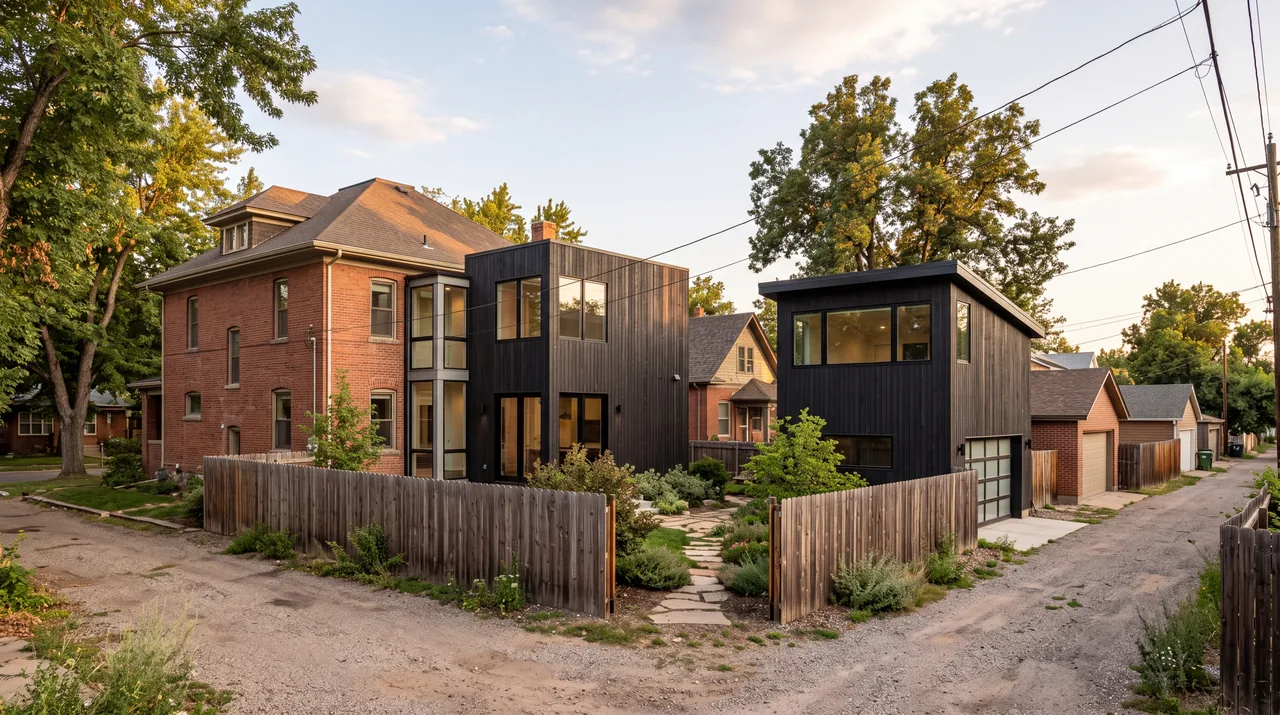
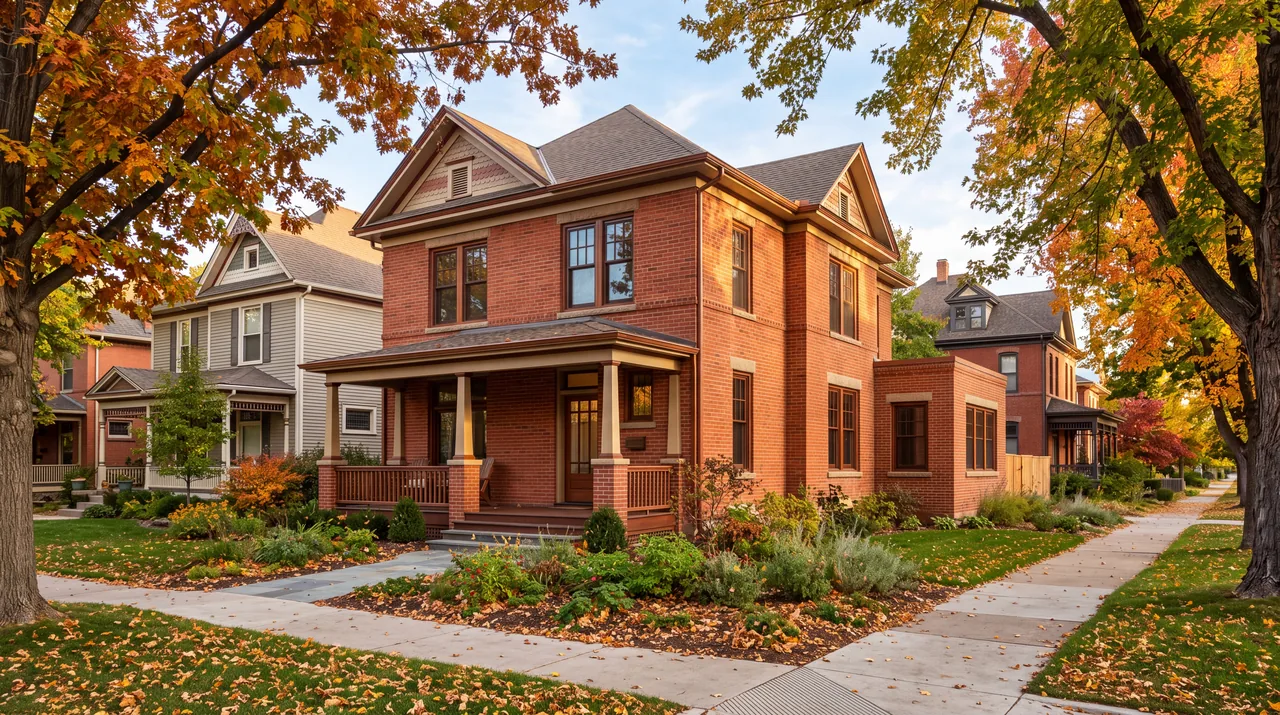
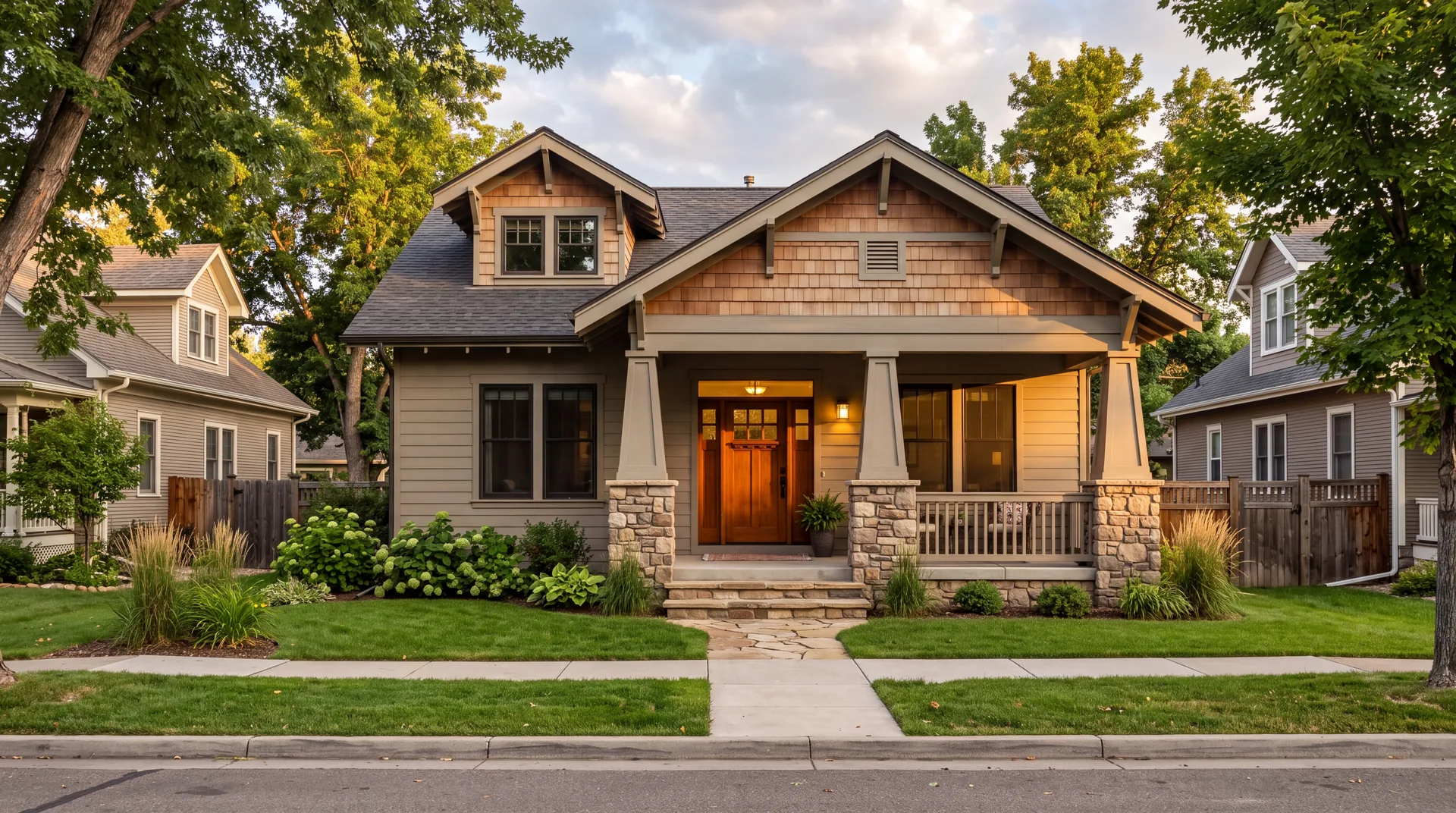
Loveland's oldest residential blocks surround the historic downtown along 4th Street, with early 1900s houses, small cottages and modest two-stories on tight lots. Around Lake Loveland and through the middle of the city, ranches, split-levels and bi-levels from the postwar decades through the 1980s make up much of the housing.
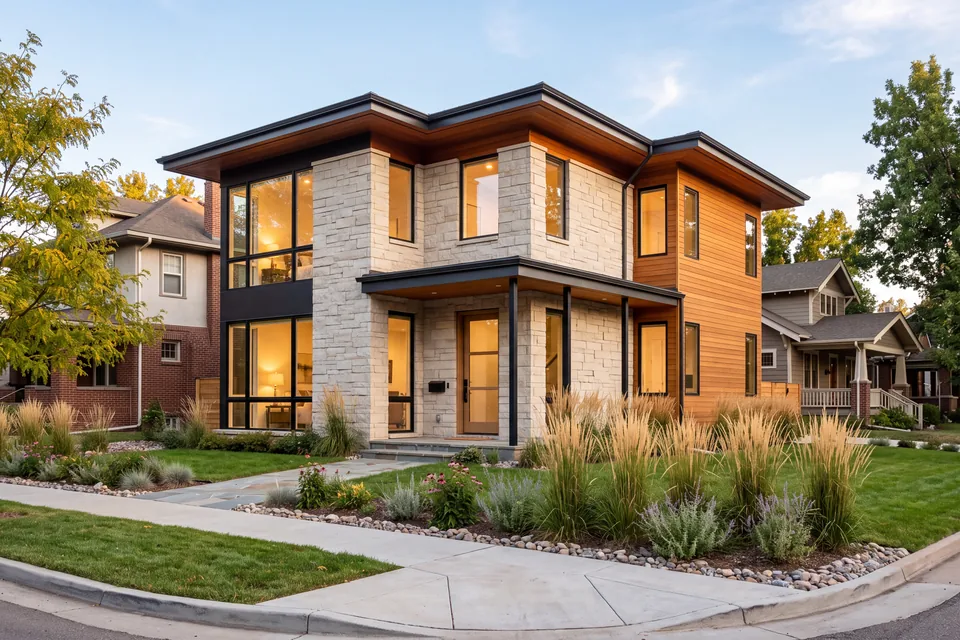
East of the older city, toward Boyd Lake and I-25, newer subdivisions and master-planned areas such as Centerra have grown quickly. Homes there are younger and usually sound, but they come with HOA covenants, design guidelines and often a metro district, all of which can shape a deck, an addition or a new roof color.
A bi-level near the lake usually wants a better layout and a finished lower level. A newer home east of town more often needs outdoor living space or a basement build-out.
What changes in Loveland
- 01
City or county
A Loveland address may be in city limits or unincorporated Larimer County, and the permit office differs.
- 02
Municipal utility
Loveland Water and Power is city-owned, so electrical service upgrades are coordinated with the city utility.
- 03
Floodplain near water
Lots near the Big Thompson River, the lakes or irrigation ditches may fall in a mapped floodplain.
- 04
HOA and metro districts
Master-planned areas such as Centerra carry design guidelines that cover decks, additions and exterior materials.
- 05
Hail and sun
Summer hail and strong sun at altitude favor impact-rated roofing and finishes that resist fading.
- 06
Clay soils
Expansive clay occurs in parts of Loveland, so foundations and slabs should follow a soils report.
Permits, utilities and site conditions in Loveland
Inside city limits, building permits come through the City of Loveland's building division. Much of the land around the city is unincorporated Larimer County, though, and a Loveland mailing address doesn't guarantee a city permit. Unincorporated properties go through the Larimer County building division.
Loveland also runs its own municipal utility, Loveland Water and Power. A remodel that adds a heat pump, an EV charger or a larger electrical service may need coordination with the utility as well as the building division.
Expansive clay soils show up across parts of northern Colorado, including Loveland, so new foundations should follow a soils report. Lots near the Big Thompson River, the lakes or irrigation ditches may sit in a mapped floodplain, which can change foundation design and where an addition can go.
How building in Loveland differs from Fort Collins
Loveland and Fort Collins share a county and a climate, but they are separate cities with separate building departments, code amendments, fee schedules and inspectors. Plans approved in one don't carry over to the other. If you're house hunting between the two, compare the permitting path, the utility provider and any design review alongside the house itself.
Design review in Loveland can come from several places depending on the neighborhood: a historic designation near downtown, an HOA architectural committee, or a metro district's guidelines in a master-planned area. Find out which applies before drawings start.
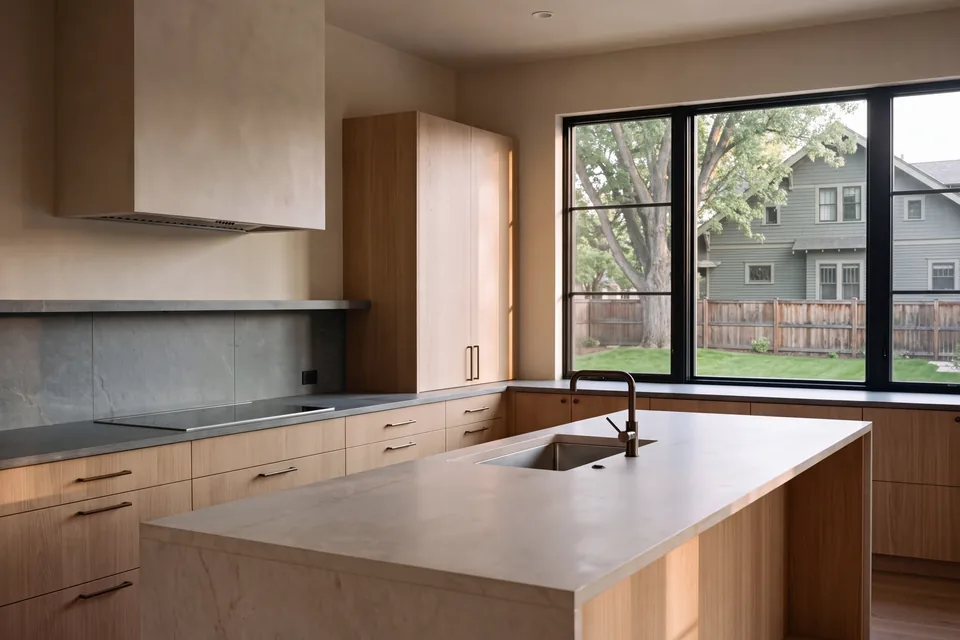 Kitchen remodelsLayout, ventilation, power and storage worked out before a cabinet is ordered.
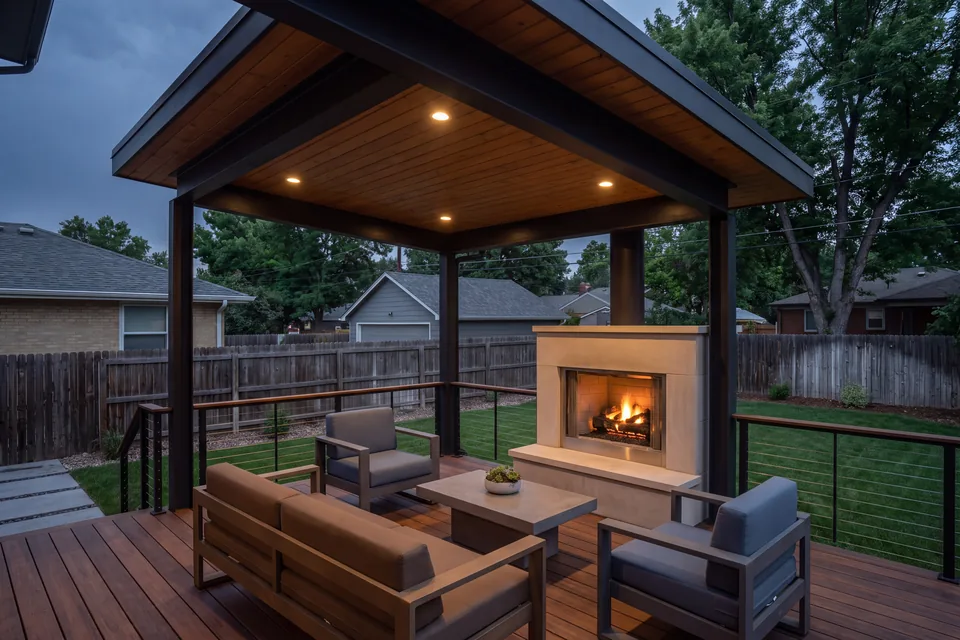 Decks and outdoor livingDecks, covered patios and outdoor rooms built for sun, snow and freeze-thaw.
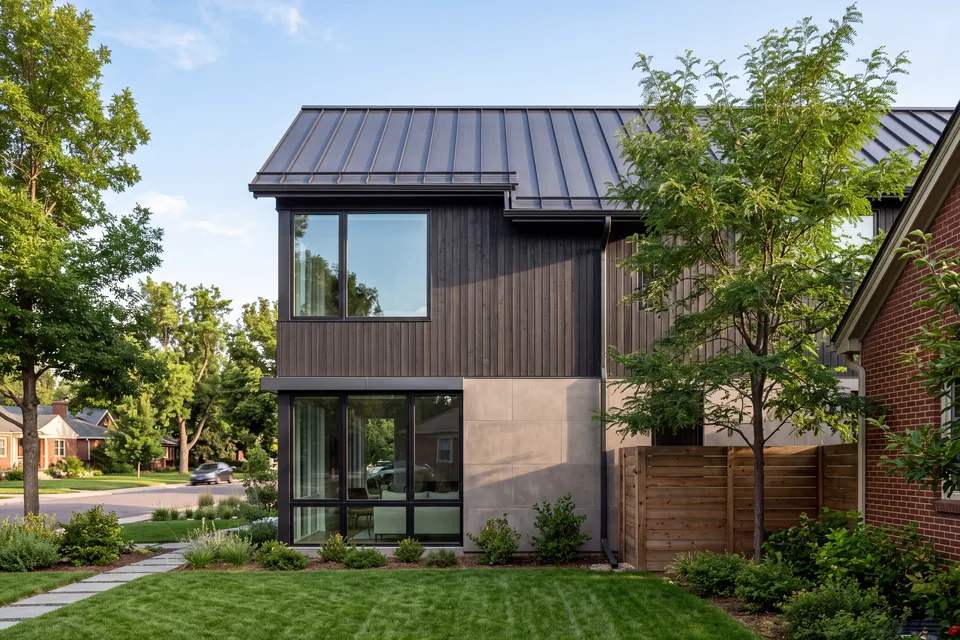 Roofing, siding and windowsThe weather-facing shell of the house, flashed and lapped to shed water and hail.
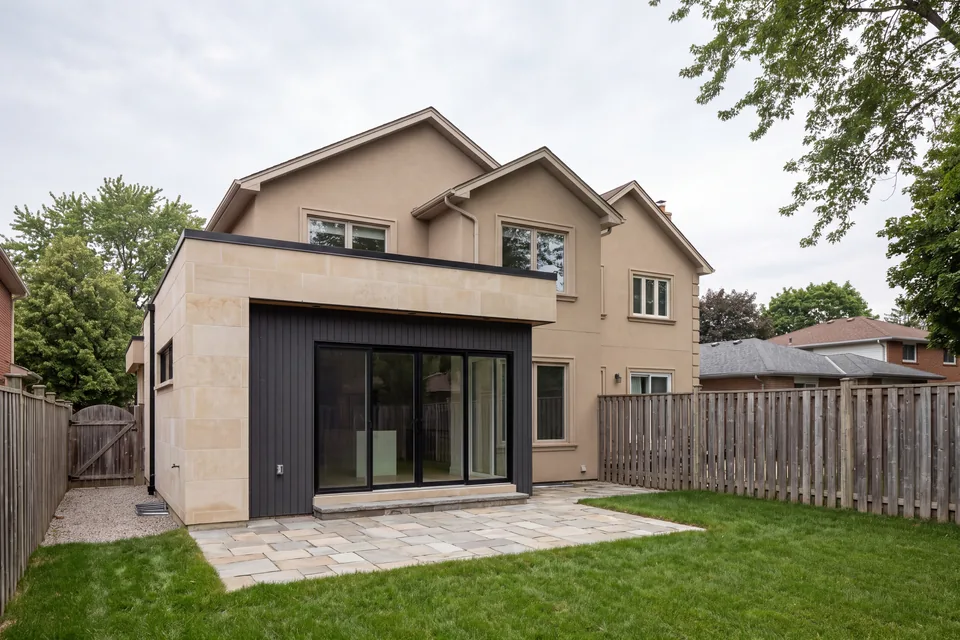 Home additionsNew space tied into the old structure so it looks and performs like one house.
Remodels and additions Loveland homeowners ask about
Kitchen and bathroom remodels in 1970s and 1980s Loveland homes often start with a closed kitchen, a dated hall bath and a split-level stair that breaks up the main floor. Removing a bearing wall is common and needs a beam sized by an engineer.
Decks and outdoor living are frequent requests in the newer subdivisions, where HOA rules often govern materials, railings and colors. Strong sun at altitude is hard on deck boards and finishes, so material choice matters.
Roofing, siding and window replacement tends to come up after hail. Impact-rated shingles and durable siding hold up better than lighter products, and new windows are a good moment to fix the flashing around them. For houses that need more room, a home addition in Loveland can range from a suite over the garage to a full rear addition.
Questions about building and remodeling in Loveland
Who issues building permits in Loveland, Colorado?
For properties inside city limits, the City of Loveland's building division issues permits and performs inspections. Properties in unincorporated Larimer County, even with a Loveland address, are permitted by the county.
Do I need HOA approval for a deck in Loveland?
If your home is in a subdivision with covenants, usually yes, in addition to the city permit. Get the approval in writing before construction starts, since materials, railing styles and colors are often specified.
Can I finish the lower level of a Loveland bi-level?
Usually. Bi-level lower floors sit partly above grade, which helps with light and egress. Check the existing windows against egress rules for any bedroom, and test for radon before you close in the walls.
Is the permit process in Loveland the same as Fort Collins?
No. They are separate cities with their own building departments, local code amendments and inspectors. The general steps are similar, but submittal requirements and review differ.